

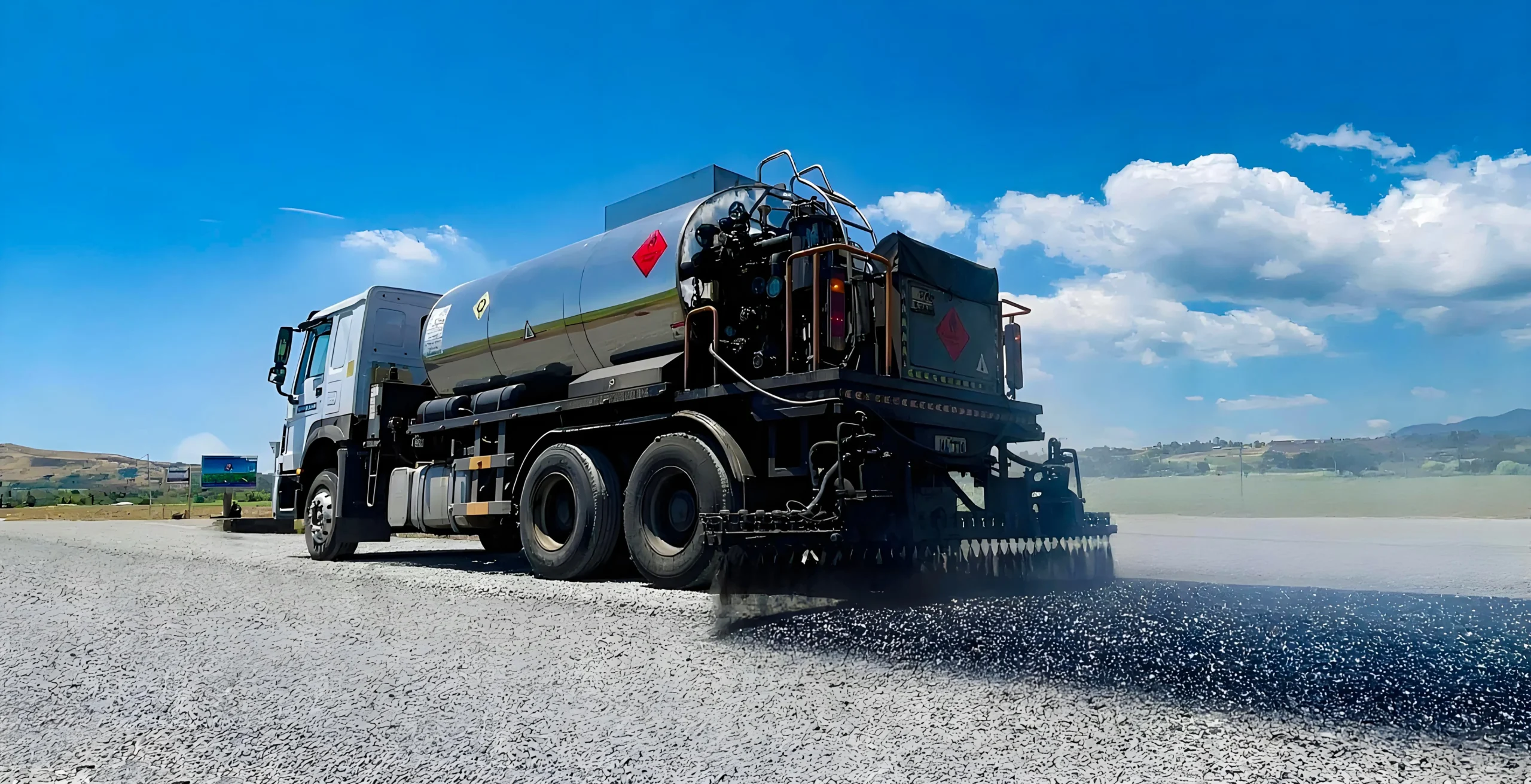
Introduction: Three Control Systems, Three Very Different Asphalt Distributors
When buyers ask for an asphalt distributor quote, one of the first questions we ask is: what level of control do you need? The answer splits these machines into three broad categories — standard, semi-automatic, and intelligent — and the differences go far deeper than price.
Understanding how these three systems differ is the fastest way to avoid overpaying for automation you don’t need, or under-specifying a machine that will hold back your paving crews. This guide breaks down each type, how the control systems actually work, and which one fits your projects.
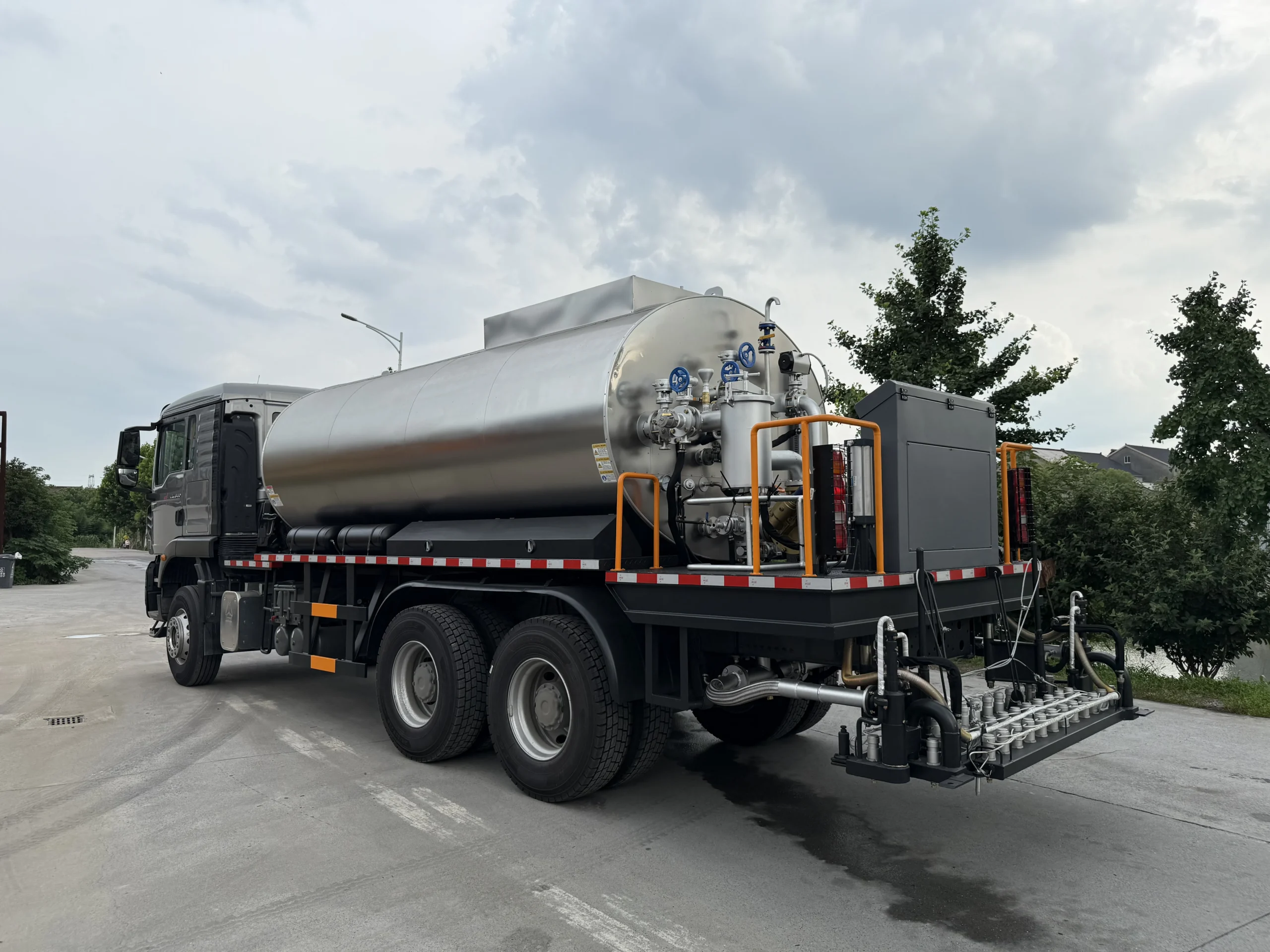
What Does the “Control System” Actually Control?
Before comparing types, it helps to know what the control system is managing. On any asphalt distributor, the control system governs four core functions:
- Spray rate (spread rate): how many liters of bitumen are applied per square meter, tied to road speed.
- Spray bar width: how many nozzles are open and how the spray pattern is distributed across the bar.
- Bitumen temperature: heating control to keep asphalt within its proper spraying temperature range.
- Pump and circulation: keeping bitumen moving so it doesn’t settle or clog in the pipes.
The difference between standard, semi-automatic, and intelligent machines is how much of this work is done by the operator versus by the machine itself.
Standard Asphalt Distributor: Manual Control, Lowest Entry Cost
A standard asphalt distributor is the traditional, entry-level configuration. The operator manually controls the spray rate and bar width from the rear platform or the cab, adjusting valves by hand as the truck moves.
Key characteristics
- Manual valve operation: spray rate is set by hand-operated valves; consistency depends on the operator’s skill.
- Manual spray bar control: nozzles are opened or closed individually, often by hand.
- Basic heating: burner heating with manual temperature monitoring.
- No road-speed compensation: if the truck speeds up or slows down, the operator must manually correct the flow.
Best for
Small maintenance jobs, short patch runs, and budget-conscious contractors where a skilled operator is always available. Lower purchase price and simpler maintenance are the main advantages, but spray uniformity relies heavily on the person running the machine.
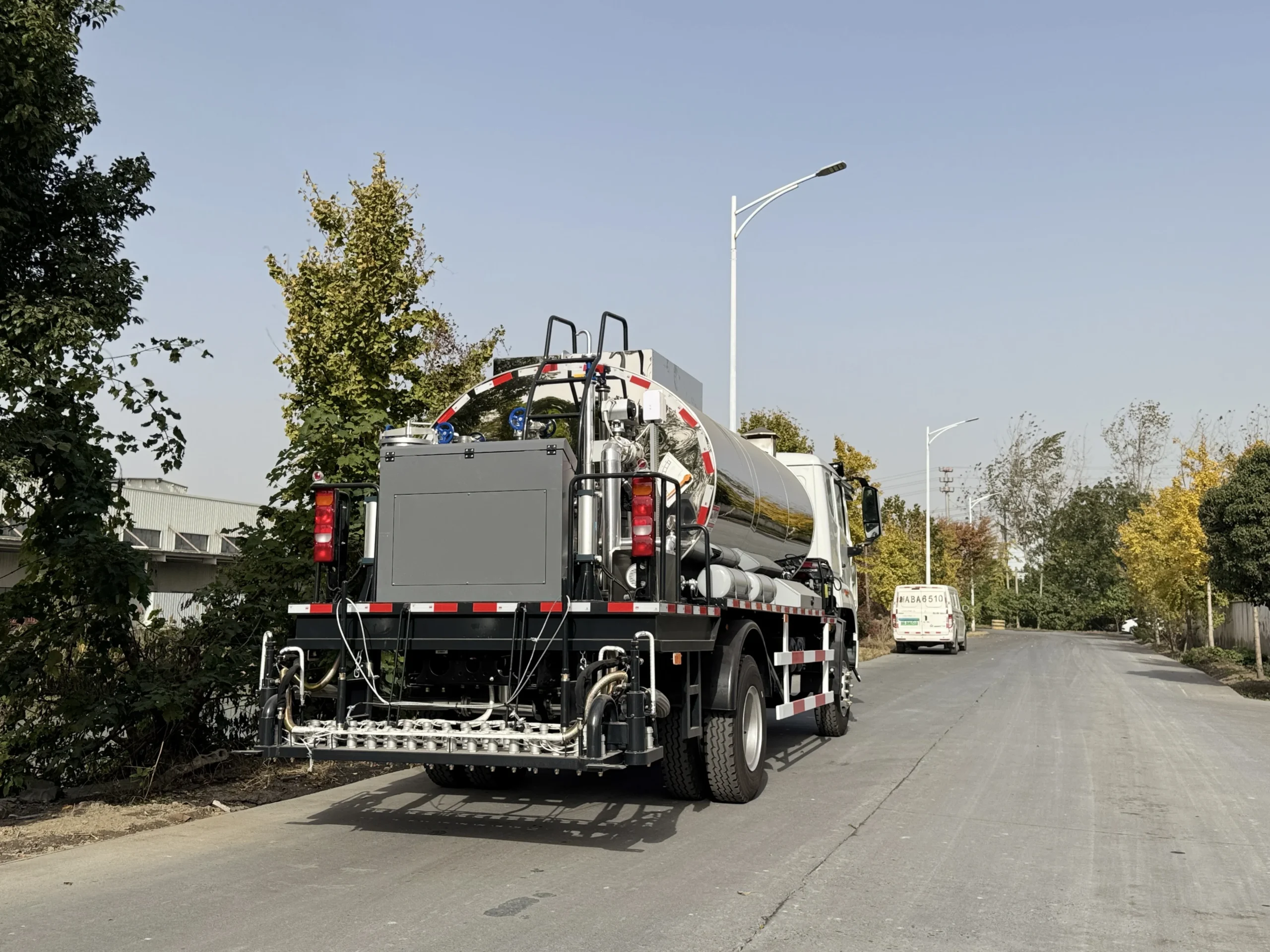
Semi-Automatic Asphalt Distributor: The Practical Middle Ground
A semi-automatic asphalt distributor keeps the operator in charge but automates the parts that are hardest to do by hand. This is the most popular configuration for general road construction because it balances cost, consistency, and ease of use.
Key characteristics
- In-cab electric or pneumatic control: the operator adjusts spray rate and bar width from a control panel instead of turning valves by hand.
- Road-speed-linked flow control: flow rate adjusts automatically to match truck speed, keeping the spread rate stable.
- Programmable bar sections: spray bar width can be set in sections, so the operator isn’t manually opening each nozzle.
- Temperature monitoring: digital temperature display with automated burner cycling.
Best for
Mid-size contractors and routine highway or municipal work. You get consistent spray rates without the full cost of a PLC system, and operators need far less training than on a standard machine.
Intelligent Asphalt Distributor: PLC Automation and Precision Control
An intelligent asphalt distributor is the top-tier configuration, built around a programmable logic controller (PLC) and a touch-screen interface. It automates nearly the entire spraying process and logs every parameter for quality control.
Key characteristics
- PLC + touch-screen HMI: the operator sets target parameters (spread rate, bar width, temperature) on a screen; the system executes them automatically.
- Closed-loop spray control: sensors continuously measure flow and road speed, and the PLC adjusts in real time — no manual correction needed.
- Individual nozzle or section control: precise bar management, often with auto-cleaning and auto-priming functions.
- Data logging and GPS options: spray records, temperature logs, and optional GPS mapping for project documentation and QA reports.
Best for
Large-scale highway and airport projects, tender work with strict QA requirements, and contractors who want repeatable, documented results with minimal operator dependence.
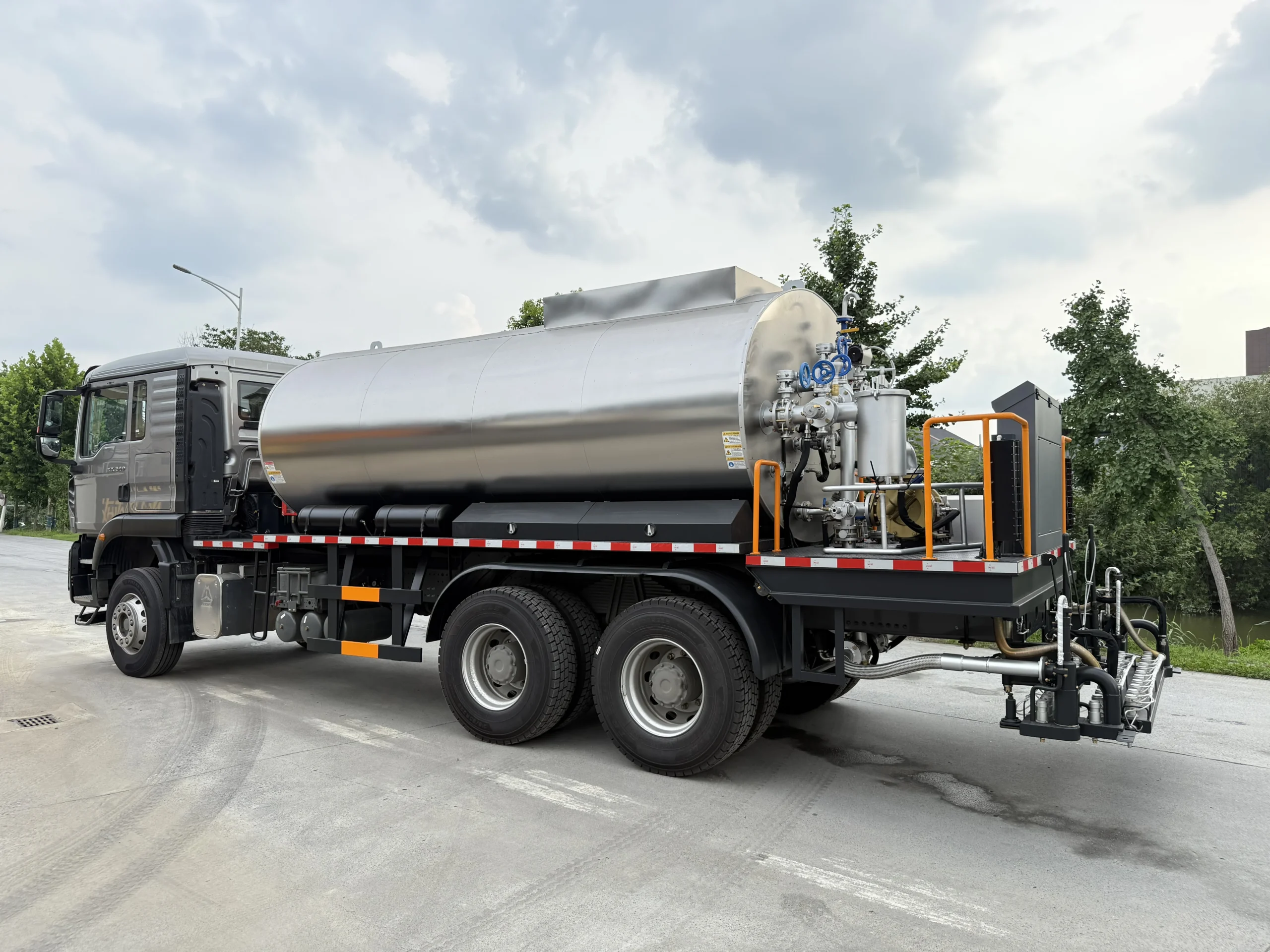
Asphalt Distributor Types Compared: Standard vs Semi-Automatic vs Intelligent
| Feature | Standard | Semi-Automatic | Intelligent |
|---|---|---|---|
| Control method | Manual valves | In-cab panel | PLC + touch screen |
| Road-speed compensation | Manual | Automatic | Automatic (closed-loop) |
| Spray consistency | Operator-dependent | High | Very high, repeatable |
| Operator skill required | High | Moderate | Low |
| Data logging / QA report | None | Limited | Full, with GPS option |
| Relative price | $ | $$ | $$$ |
How to Choose the Right Asphalt Distributor Type
Match the control level to the work you actually do, not to the features on a spec sheet:
- Choose standard if your jobs are small, short, and always staffed by an experienced operator — and budget is the top priority.
- Choose semi-automatic if you handle routine municipal or highway work and want consistent spray rates with less operator training.
- Choose intelligent if you bid on large or QA-heavy projects (airports, expressways, government tenders) where documented, repeatable spray data matters.
Why IKOM Covers All Three Configurations
IKOM builds asphalt distributors across the full range — from practical standard units to fully intelligent PLC-controlled machines. Every configuration shares the same core build quality: insulated bitumen tanks, reliable burners, and robust spray bars engineered for even coverage. Tell us your project type, spray width, and budget, and we’ll recommend the right control level — not the most expensive one.
Contact IKOM today for a specification and quotation matched to your exact paving requirements.