

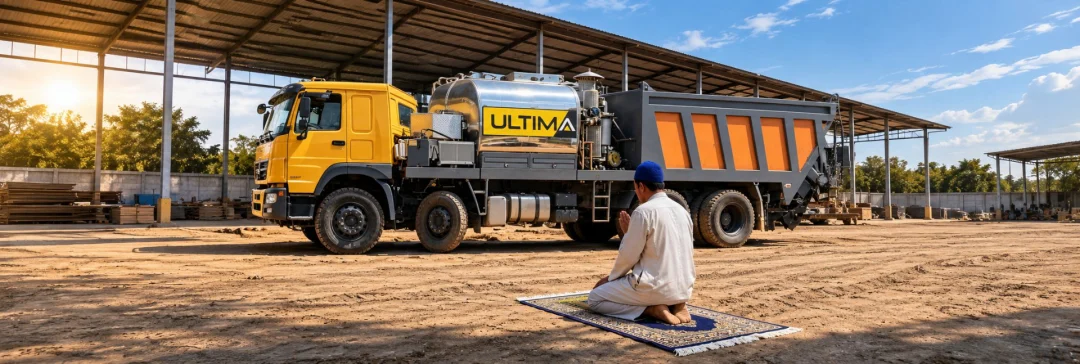
Introduction: Similar Looking Machines, Very Different Jobs
In road construction and maintenance, the asphalt distributor and the synchronous chip sealer are two machines that are frequently mentioned together and just as often confused. Both carry a heated asphalt tank. Both are built on a heavy truck chassis. But they are designed for different jobs, and choosing the wrong one can cost you time, labor, and money.
This guide explains the real differences between an asphalt distributor and a synchronous chip sealer, so you can pick the machine that fits your project.
What Is an Asphalt Distributor?
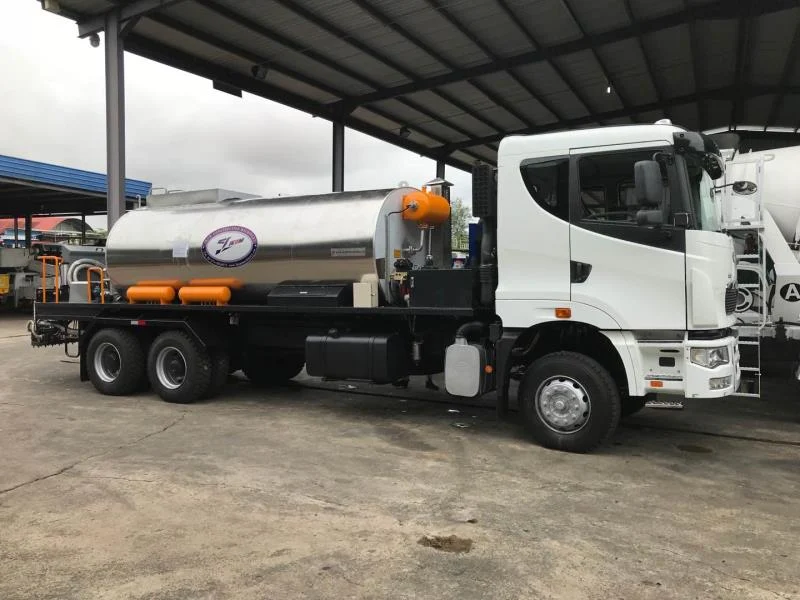
An asphalt distributor (also called a bitumen sprayer) is a specialized truck that heats, stores, and sprays liquid asphalt – hot bitumen or emulsified asphalt – evenly onto a road surface. Its single job is to apply a uniform film of binder.
Typical applications include:
- Prime coat – prepare the base layer before asphalt paving
- Tack coat – bond a new asphalt layer to the existing surface
- Binder spraying – apply the adhesive layer for chip seal or surface dressing
The machine consists of an insulated bitumen tank, a heating system with a diesel burner, and a rear spray bar fitted with multiple nozzles. Modern units add a PLC controller for precise, speed-compensated spraying.
What Is a Synchronous Chip Sealer?
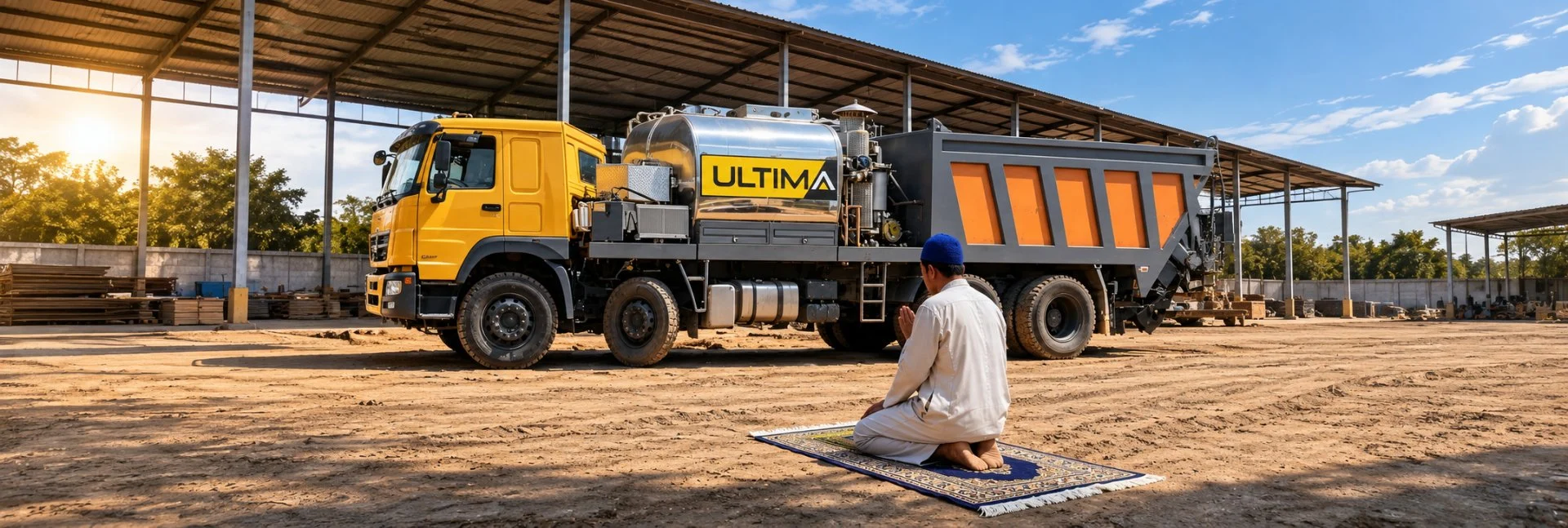
A synchronous chip sealer is a more advanced machine that performs two operations at once: it sprays the asphalt binder and immediately spreads a layer of aggregate (chips or gravel) on top of it, all in a single pass while the binder is still hot and tacky.
The word synchronous is the key to its value. Because the aggregate is dropped onto the binder within seconds, before it cools, the chips bond deeply and firmly. The result is a strong, skid-resistant wearing surface that is far more durable than doing the two steps separately.
A synchronous chip sealer combines three elements:
- An insulated asphalt tank and spray bar for the binder
- A rear aggregate hopper and spreading unit for the chips
- A single control system that coordinates both actions in real time
Key Differences: Asphalt Distributor vs Synchronous Chip Sealer
| Feature | Asphalt Distributor | Synchronous Chip Sealer |
|---|---|---|
| Main function | Spray liquid asphalt only | Spray asphalt + spread aggregate at the same time |
| Working principle | Single-pass binder application | Synchronized binder + chip application |
| Key components | Bitumen tank, burner, spray bar | Bitumen tank, spray bar, aggregate hopper, spreader |
| Aggregate handling | None (separate machine needed) | Built-in hopper, spreads chips directly |
| Typical applications | Prime coat, tack coat, binder spray | Chip seal, surface dressing, preventive maintenance |
| Labor and equipment | Needs separate chip spreader and roller | One machine, one pass |
| Initial cost | Lower | Higher |
| Surface result | Thin binder film only | Finished skid-resistant wearing course |
When to Choose an Asphalt Distributor
Choose an asphalt distributor when your project needs a clean, precise binder layer and you already have, or can easily arrange, separate aggregate spreading and compaction equipment. It is the right choice for:
- Prime coat and tack coat before paving
- Binder spraying where a separate chip spreader and roller are used
- Projects with a tighter budget and simpler operation needs
When to Choose a Synchronous Chip Sealer
Choose a synchronous chip sealer when you want a finished chip seal surface in one efficient pass. It is ideal for:
- Preventive road maintenance and surface dressing
- Rural road and highway chip seal programs
- Projects where reducing labor, traffic disruption, and material waste matters
Why Choose IKOM
IKOM Road Machinery is a China-based manufacturer and exporter of road maintenance equipment. We supply both asphalt distributors and synchronous chip sealers with:
- Quality components and a sturdy build
- Factory-direct pricing with no middleman markup
- Support for a wide range of truck chassis and both left-hand and right-hand drive
- Spare parts supply and after-sales technical support
Tell us your project scale and target market, and we will help you choose the right machine and configuration.
Conclusion
The difference between an asphalt distributor and a synchronous chip sealer comes down to one thing: the distributor only sprays binder, while the chip sealer sprays binder and spreads aggregate in one synchronized pass. If you only need a binder layer, choose an asphalt distributor. If you need a finished, skid-resistant surface in one go, choose a synchronous chip sealer.
Contact IKOM today for a tailored quote and a detailed specification sheet.